The Evolution of Modern Swahili Music and Visual Arts
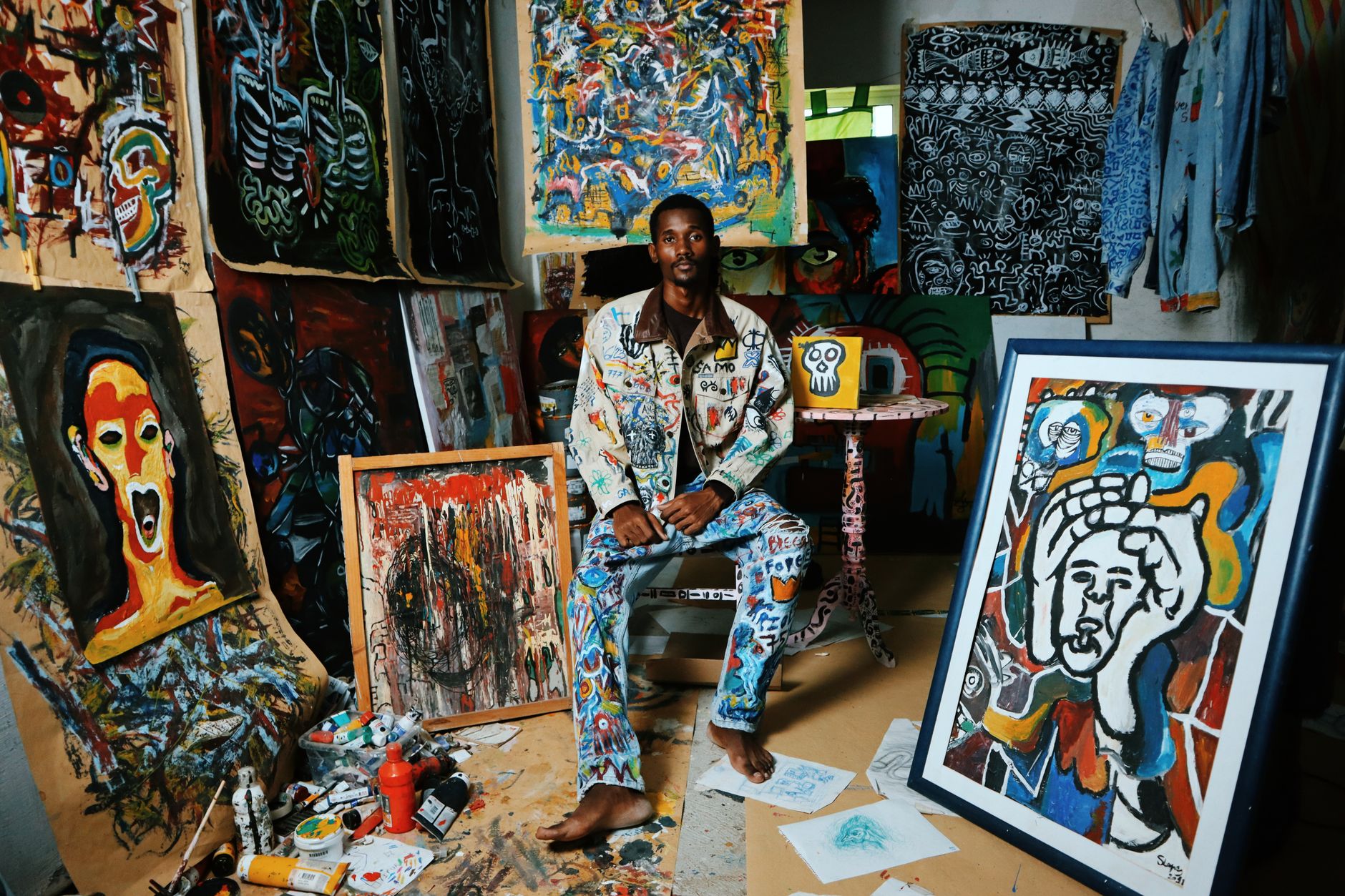
East Africa is currently witnessing a stunning cultural and musical boom. Today, the creative pulse vibrating through the performance halls of Nairobi and the atmospheric recording booths of the coastal regions represents a profound, deep-seated convergence: ancestral acoustic instruments meeting cutting-edge synthesizer programming.
This is not merely a superficial fusion of beats; it represents a major artistic resurgence that honors historical heritage while rewriting contemporary sonic expectations.
Rewriting Acoustic Heritage
Historically, Swahili melodies relied heavily on live percussive structures, string work, and highly structured vocal ensembles. Today’s young musicians, however, are leveraging digital workstations to weave those traditional timbres into international electronic music formats, creating a distinct Afro-futurist sound.
By sampling traditional rhythms and pairing them with warm sub-bass synthesizers, they have crafted a sound that is both deeply rooted and globally competitive.
"Our music carries the rich stories of our elders, but our production belongs in the most experimental electronic venues in Berlin, London, and Tokyo."
Nairobi's Visual Revolution
This creative renaissance is not limited to audio; it is equally vibrant in the visual arts. Nairobi’s galleries are currently showcasing bold, large-format works from young painters and digital illustrators who reject classic, romanticized depictions of Africa.
Instead, these artists capture the grit, energy, and complex beauty of modern urban Kenyan life. Combining street graffiti with traditional textile patterns, their canvases offer fresh, authentic perspectives that challenge standard expectations.